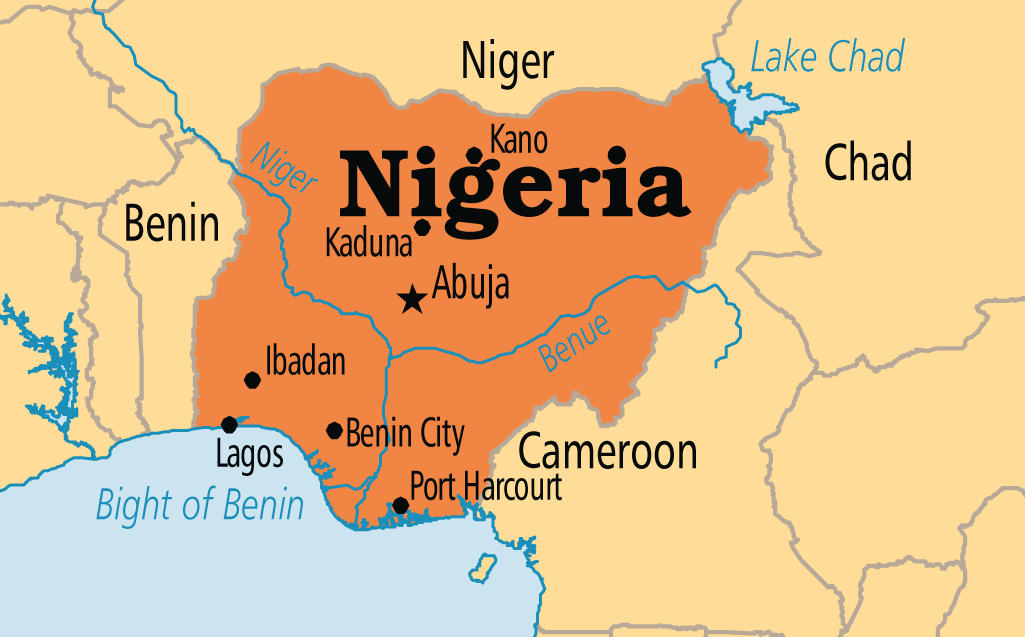
Abolaji Amosu immigrated from Lagos, Nigeria to Philadelphia, Pennsylvania in 2006 with her family.
Abolaji Amosu ṣilọ lati Lagos, Nigeria si Philadelphia, Pennsylvania ni ọdun 2006.
They won the Diversity Visa Lottery and began their new experience in Champlost, Philadelphia. Abolaji questioned her cultural identity as a Nigerian immigrant growing up in America. Through her experiences in school and social life, Abolaji found her way of staying true to her Nigerian Heritage and adapting to her new life in Philadelphia.
Want to learn more about the Diversity Visa Lottery? Click here to read the instructions for how the lottery works!
Abolaji recalls her initial reactions upon their arrival to Philadelphia:
“I don’t think America was something I ever really thought about. I don’t think it occurred to me that like ‘I wonder what’s going on in America?’ None of that really occurred to me. The only thing I knew from America was the movies and stuff I was watching. But I don’t think I ever really thought about ‘I wonder what like, how kids in America are.’ … I got on the airplane and I think like I started getting mad because they wouldn’t let me get up and run around on the airplane. So, I kept telling my mom I had to go to the bathroom even though I didn’t just because I wanted to get up and walk around. So, I remember that and I remember getting off and it was snowing. Q: How was your reaction to snow? A: I know what snow is because, once again, Disney, but I didn’t expect it to be so cold. That’s what irritated me because my nose started getting stuffy like instantly.”
Cultural Traditions
The Amosu family are part of the Yoruba ethnic group of Nigeria. While adjusting to citizenship in America, Abolaji and her family remained true to many of their cultural traditions. Let’s explore some of those traditions of the Yoruba people!
With Yoruba, a ceremony is held for the naming of a newborn child to celebrate their life and to share the meaning of the name. Yoruba and Nigerian names are chosen for their meaning.
“Q: What does your name mean? A: My name, I’m pretty sure it’s like ‘born with wealth’ or something like that cause my sisters, it’s all like, my sister’s name, my brother’s name, except for my little sister, all of our names are kind of like born with wealth or joy or fortune or something. Woke up wealthy, I think it’s like woke up with joy or woke up with wealth kind of like that. How my parents try to say it is like my oldest sister brought the wealth, I was just born into it.”
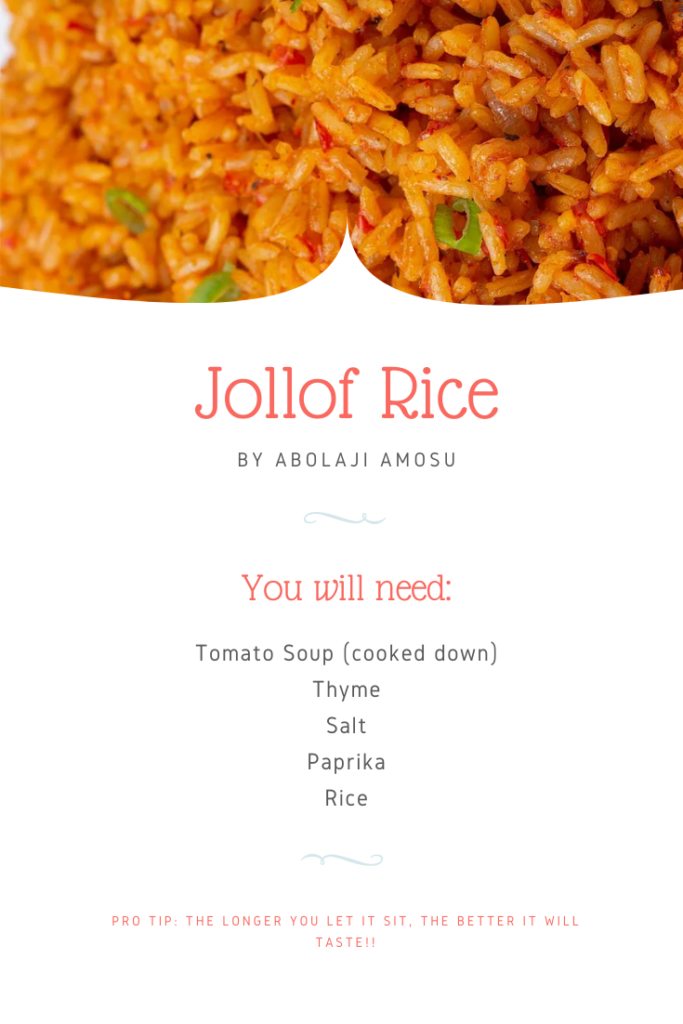
The most popular Nigerian food, and Abolaji’s personal favorite, is jollof rice. Surprisingly, Abolaji admits she prefers American cuisine to Nigerian, but her first meal after exiting the plane from Nigeria was jollof rice and some soup! Check out Abolaji’s suggested family recipe for jollof rice:
Abolaji particularly loves to listen to traditional Yoruba music.
“From the songs, so usually, with Yoruba music, you’ll have heavy drums. You’ll have drums and flutes. So the point is to focus more on the lyrics. Can I play music? *plays traditional Yoruba song* So like, this is one of the oldest songs I know. So like, it will start with like the flutes, the drums. The point is to focus more on the lyrics of the song than the actual beats. The beats is to just kind of help the story go along. So it’s one of the reasons I still come back to Yoruba music because there’s a story to the song.”
Education and Work Experience
Back in Nigeria, children begin going to school around the age of 4. The Amosu family places great value on education. “Education in our family is always a big must,” Abolaji says. When Abolaji came to America, she was required to start in the 3rd grade because of her age (6 years old), but she had already learned the material back in Nigeria.
“So my dad argued that like, one thing that we always experienced was like people thinking we didn’t know things because we were African. So they were like, ‘there’s no way we’ll be able to handle 3rd grade and my sister in 5th grade.’ So they’re like, ‘there’s no way we’d be able to get it.’ So he, our dad, was like ‘you’re not going to repeat them from first grade.’ They wanted to put me back in 1st grade. That’s just how the system is. But my dad was like, ‘it makes no sense because there’d be no way for them to learn anything there because they already learned these things.’ So my dad demanded that they test us, give us the 3rd grade test that they give in 3rd grade and wepassed them. So then they were like ‘okay, we’ll put them in 3rd grade.’”
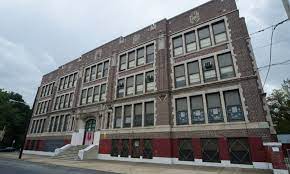
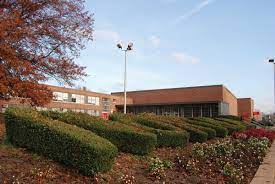
Abolaji attended Julia Howe Elementary School and eventually went on to Northeast High School.
“I loved looking at African American history and things like that. But, I always had my problems with it because of how the curriculum was created because I felt like they left so many important things out. I had like that one month during February when we talked about African American history and always was slavery, Abraham Lincoln, Martin Luther King, the end. That was usually how the course kind of flowed. Even until high school, it wasn’t until high school when I took a specific African American history class that I learned a little bit more. Thanks to the teacher, I did learn a lot more. But it still kind of flowed the same way: slavery, Abraham Lincoln, Martin Luther King, Obama, the end, in high school. Yeah, Obama the end. So, I was always like, ‘but there’s so much more before that and even after that.’ So, it was just mind-boggling to me. So, it wasn’t until college that I took more directed classes that I learned so much more.”
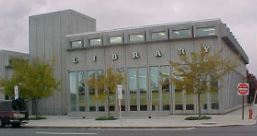
With so much importance placed on education, Mr. and Mrs. Amosu did not require their children to work to ensure their focus would be entirely on school. Currently, Abolaji attends Temple University in Philadelphia as an undecided major, but she has taken a particular interest in the English department. It was not until college that Abolaji began work at the Northeast Regional Library in Philadelphia.
Click the picture to explore what the Northeast Regional Library has to offer!
Language
In addition to moving to a completely new part of the world, Abolaji worked hard to fit in and feel “American.” In Nigeria, the people speak “British English,” and when starting school in America, Abolaji tried to lose her accent to sound more like her school friends.
“There was a time between like in 4th grade where I really went about trying to lose my accent or trying to say certain things that wasn’t comfortable for me. But then, I later gave up because even as I’m trying to speak regularly, it just wasn’t working for me and I ended up saying things worse. Certain things that I said were just like, I think it started off with simple words. Like with Nigerians, when we say ‘pen,’ we don’t say pen, we say ‘biro,’ but that’s like the British version of pen, it’s ‘biro.’ So like, whenever I said ‘can I have a biro,’ I keep wanting to say pen because that’s what I’m used to, everyone would be like ‘I don’t know what that is? I don’t know what you’re saying.’ And then, my dad was just like, ‘just say pen because they say pen.’ So it was then that I was like certain things that I say is not the same here. It would start with, you know, small little words that you know change, and then it would be more, and it would be more, and it would be more. Like, when I used to say ‘okay’ I didn’t say ‘O-K’, I used to say ‘oh-kay’ instead of ‘O and K.’ So, it’s small little things in your vernacular that changes, and then it all just kind of changed together.”
Click here to see the differences between British and American English!
Abolaji relied on music and Disney to help her with adapting to the English her peers spoke in school. “When we first came here, listening to a lot of Disney channel music and Nickelodeon music helps me feel more ‘American’ than being in school did because I could understand those people on TV more than the people I went to school with.”
Challenges
Through her experience immigrating to Philadelphia from Nigeria, Abolaji faced some adversity. Abolaji specifically recounts on her personal struggle with her identity. Was she Nigerian? Was she American? For a while, Abolaji worked hard to become American, but around the time she was in high school, she realized she was a blend of the two.
“I want to say high school that I started realizing that I’m never going to be fully American. If I’m going to be fully American, I have to give up fried rice because that’s not American and that wasn’t gonna happen. So, I was like, I’m never going to be fully American and I think it was about then that I started accepting a lot of my ‘Nigerianness’ to say. I think that is when I started accepting myself a lot more as a blend of two cultures instead of trying to seem completely American.”
Abolaji shares some wisdom and advice for other individuals going through a similar immigration experience,
“One of the tings I still regret is if you are an immigrant and you did come t this country, if you speak a different language other than English, don’t let go of that language because one, when you get a job, people who speak multiple languages get paid more. If you do keep that language, you won’t have to take a language requirement in college. And you know it’s really good to have something to stay with to stick with your history.”